

Freedom lives in the pause
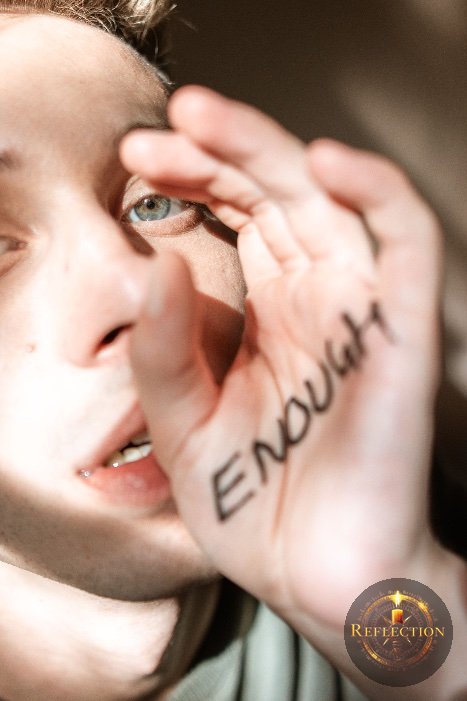
There’s a moment — maybe half a second, between the thing that sets you off and what you do next. The phone buzzes with the name you didn’t want to see. The drink is offered. The comment lands. The craving arrives, fully formed, before you’ve had a chance to think.
Most of us live entirely on one side of that moment. The trigger fires, and the reaction follows, and by the time we notice what happened, it’s already done. We tell ourselves we’ll do better next time — more willpower, better boundaries, fewer triggers. But the triggers don’t stop coming, and willpower can be a thin reed to lean on. The real question isn’t how to avoid the trigger. It’s what happens in the gap after it.
That gap is the whole of recovery, as I’ve come to understand it. And it’s smaller than you’d think, a breath, a deliberate pause, a single second in which you notice strength or weakness.
I didn’t arrive at this through theory. I arrived at it by paying attention to what actually happens in the moment a person reaches for the thing that’s hurting them. What I found is that the reach isn’t automatic. There’s a space. It’s brief, and most of the time we blow straight through it without noticing. But it’s there. And in that space, something becomes possible that isn’t possible anywhere else: choice.
This is the idea at the centre of Reflection, the book I’ve spent years writing, and of the peer recovery community I founded around it. The practice is Spatial Disambiguation — an ungainly name for a simple act: noticing where your attention stands. Noticing, in the moment, whether you’re standing in the craving, or in the room, or in the future you’re afraid of, or in the past you can’t change. Where you stand determines what you see. And what you see, held honestly, is the direction you follow next. It’s the context, events, time/place and ambiguity that all too often rationalize without ever being rationalized.
That’s not a metaphor. It’s a practice. It has three parts, and none of them is willpower. Knowledge: cataloguing, honestly, what’s actually true about where you are. Acceptance: the strength to hold that truth in our core, without running, without self-loathing. Humility: the capacity to know what we’ve learned may still affect today’s self, a forgiveness of what we didn’t know, and a perspective of open mindedness.
None of this is treatment, and I don’t pretend it is. It’s not a clinical programme, and it makes no claims about outcomes. It’s a practice, built from reported experience — mine and the people I’ve worked with — and it’s offered as such. What it does, when it works, is widen the pause. It gives you a second. And a second is enough.
Here’s what I think we get wrong about addiction, and about reactive patterns generally. We treat the trigger as the problem and the reaction as inevitable. We build our whole approach around avoiding the first and regretting the second. But the trigger isn’t the problem. The trigger is just information — a signal that something in you is activated. The problem is that we’ve never been taught to stand in the space after the signal and before the response. We’ve never detailed the trigger’s substantive value, and often never knew that space existed altogether.
It does. And it belongs to everyone, not just people in recovery. The parent about to say the thing they’ll regret. The driver cut off in traffic. The person refreshing the feed at 2 a.m., knowing exactly how they’ll feel in the morning. The mechanism is identical: a trigger, a pause we don’t take, a reaction we didn’t choose. The pause is the only place where freedom lives, because it’s the only place where you are not simply the sum of your conditioning.
So the practice is simple, and it’s hard. When the trigger comes, pause. One breath. Having gained introspective value we take back the space between the gravity. Our humility, emboldens the knowledge we gained, and our pause fulfills our awareness. Don’t fight the craving, don’t feed it, don’t pretend it isn’t there. Just notice where you are. Then choose where you stand next.
Learn more about Spatial Disambiguation, the trigger, the pause and where our perspective shifts at: https://reflectionrecovery.org