The Commons
Spatial Disambiguation and Recovery Methods | Reflection Recovery

The Introspection Trap: How Comte and Brentano Solved the Architecture of Attention
- Details
We have all experienced the sudden, jarring feeling of being caught in an emotional loop. Whether it’s a flash of anger, a sudden craving, or a wave of anxiety, our immediate instinct is to look inward—to try to dissect the feeling right while it’s happening. We treat our minds like a room we can walk into, hoping to observe our thoughts the same way we observe furniture.
Read more: The Introspection Trap: How Comte and Brentano Solved the Architecture of Attention

Shifting Perspectives: Join Our Upcoming Documentary Study on the Efficacy of 'Reflection'
- Details
The landscape of recovery is constantly evolving, but true, lasting transformation always begins with a single step: looking in the mirror. Here at Reflection Recovery, we are launching an exploratory before-and-after study and filmed documentary project to gauge the real-world efficacy of Reflection — our introspective methodology rooted in Spatial Disambiguation, Knowledge, Acceptance, and Humility.
What Is "Reflection" About? Read the First Pages of the Book
- Details
What is "Reflection" about?
Read the first pages and decide for yourself.
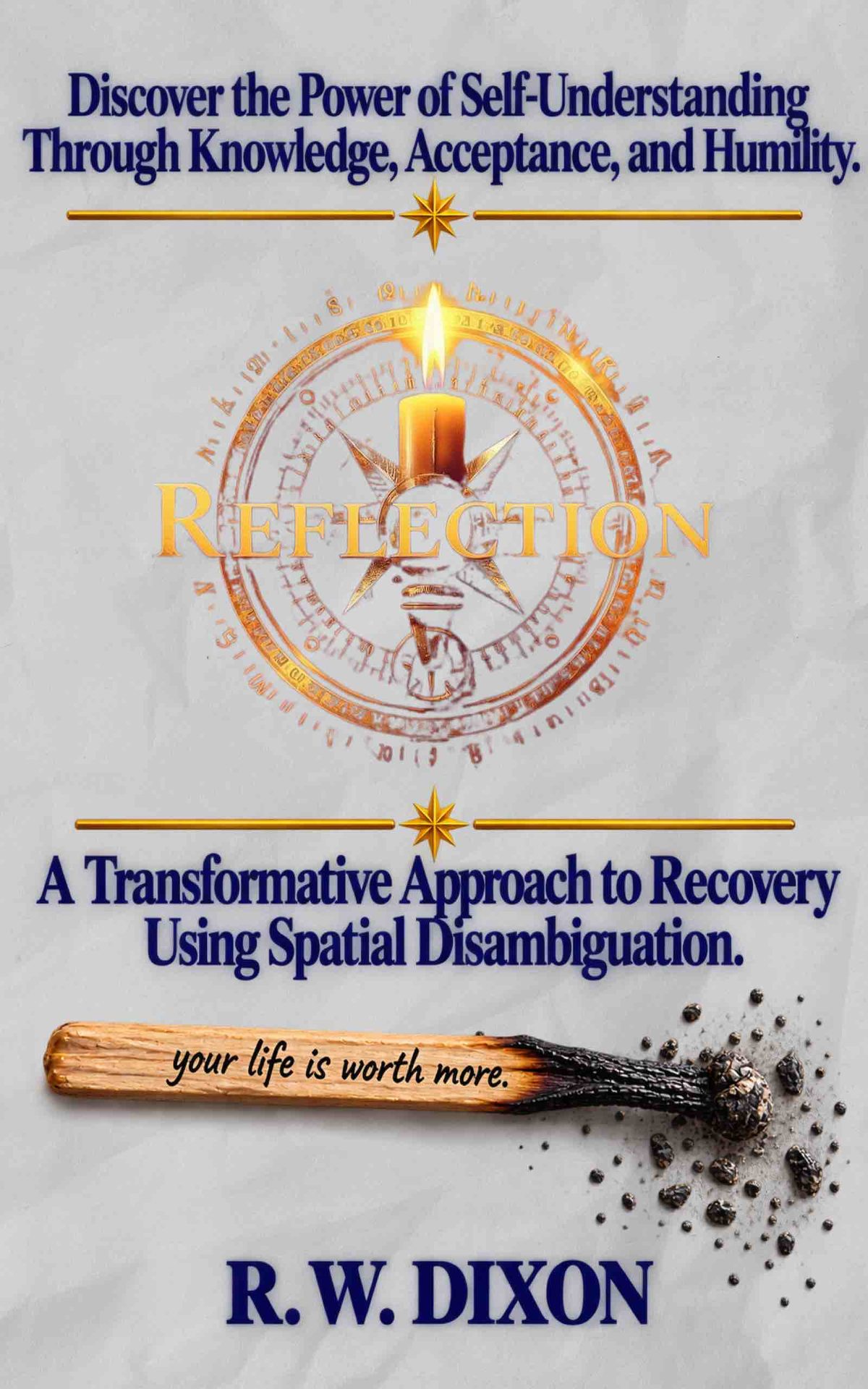
I'm R. W. Dixon, author of Reflection and founder of Reflection Recovery, a recovery community in Virginia. My book launches November 11. It presents recovery as an architecture of attention — how where we stand in relation to our own experience determines what recovery is possible. The full subtitle says the rest: A Transformative Approach to Recovery Using Spatial Disambiguation.
Read more: What Is "Reflection" About? Read the First Pages of the Book

The Anatomy of Sustainable Recovery: Moving Beyond White-Knuckle Willpower
- Details
Why Long-Term Healing Demands Cognitive Humility and Neuroplasticity
Most people think of relapse prevention as a battle of raw willpower. They believe that staying sober is a matter of white-knuckling through temptations, tightening your psychological grip, and out-fighting your old desires day after day. But any clinician or individual who has walked this path knows the truth: willpower is a finite, exhaustible resource.
Read more: The Anatomy of Sustainable Recovery: Moving Beyond White-Knuckle Willpower

Observation vs. Introspection: What's the Difference?
- Details
Moving from Passive Thoughts to Active Awareness
The terms observation and introspection are frequently tossed around in self-help and psychological circles as if they mean the exact same thing. But if you want to build an internal architecture capable of sustaining long-term behavioral transformation, you must understand the vital structural difference between them.
Read more: Observation vs. Introspection: What's the Difference?

Spatial Disambiguation in Substance Use Disorder Recovery Methods.
- Details
Shifting the Mind's Real Estate Away from Relapse Triggers:
In traditional addiction recovery models, you are often told to simply avoid your triggers. Avoid the people, avoid the places, avoid the things. While well-meaning, this advice ignores a fundamental reality of human life: environmental ambiguity is inescapable. You cannot live life in a sterile bubble.
Read more: Spatial Disambiguation in Substance Use Disorder Recovery Methods.

Spatial Disambiguation.
- Details
Obvious this is covered extensively in the book, but as we are aporoaching it's release questions are evident. What is Spatial Disambiguation and how does it apply to recovery? In most recovery pathways especially step programs the overwhelming context of discovery is people places and things and how we as substance users interact with it. I believe that many of those aspects take far too long to discover, and don't provide a working knowledge of those details.
Definitions...
- Details
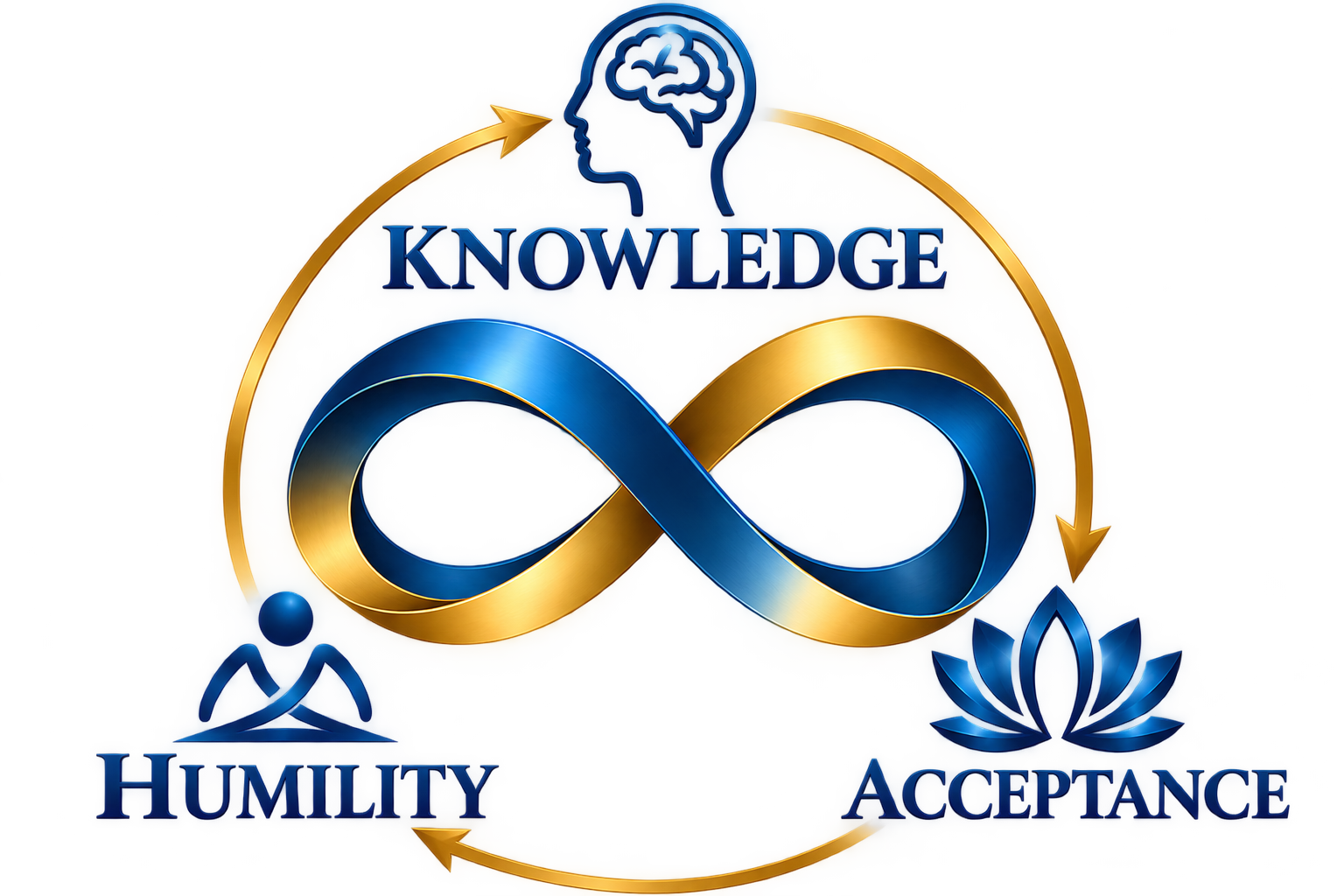
Open Mindedness
The intellectual virtue of being receptive to new, different, or opposing ideas.
Possessing an intellectual humility.
Finding impartiality in ones own beliefs.
Humility
To be modest in regards to value or importance.
To posses or hold the perspective of modesty.
To acknowledge introspectively that there is strength or power in someone or something besides ones self.